

Navigating the Hidden Dangers of Hannah Park for a Safe Surfing Experience
Surfing at Hannah Park offers an exciting adventure with its beautiful waves and scenic coastline. Yet, beneath the surface, this popular spot holds several hidden hazards that can catch even experienced surfers off guard. Understanding these risks and knowing how to handle them can make your time at Hannah Park safer and more enjoyable.

Understanding the Natural Hazards at Hannah Park
Hannah Park’s natural environment creates unique challenges for surfers. The combination of strong currents and shifting sandbars demands respect and awareness.
Strong Rip Currents
Rip currents at Hannah Park can pull surfers away from shore quickly. These currents form near breaks in sandbars or around rocky points. Surfers unfamiliar with the area may panic or exhaust themselves trying to swim directly back to shore. Instead, swim parallel to the shore to escape the current before heading back.
Shoreline with Underwater Hazards
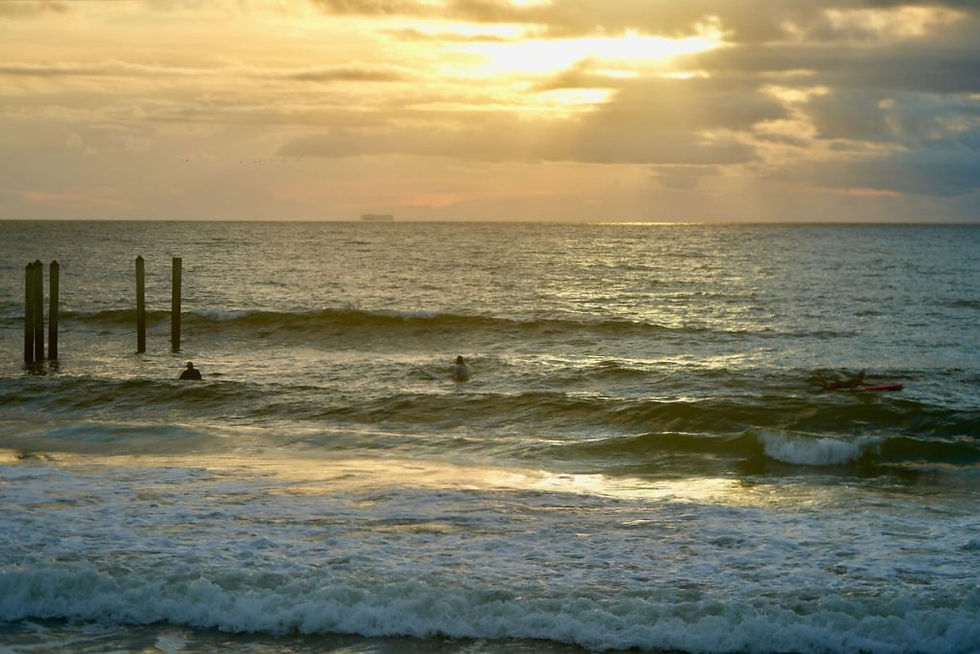
The park features rocky areas both above and below the waterline (near the Jetty) as well as old poles and hidden submerged poles, steel rebar, fencing, barbed wire along with the variety of wildlife. These submerged hazards can cause serious injuries if you fall or get pushed against them by waves. Wearing a wetsuit with some padding and being cautious when entering and exiting the water helps reduce your risk.
Changing Sandbars
Sandbars at Hannah Park shift with tides and storms, altering wave patterns and creating unexpected shallow spots. These changes can cause wipeouts or damage to surfboards. Regularly checking local surf reports and observing the water before paddling out can help you anticipate these changes.
Weather and Wave Conditions to Watch
Weather plays a crucial role in the safety of your surfing session. Sudden changes can turn calm waters into dangerous conditions.
Wind Direction and Speed
Strong onshore winds can create choppy, unpredictable waves that are harder to ride and increase the chance of falling. Offshore winds tend to create cleaner waves but can also make paddling out more difficult. Check wind forecasts before heading out.
Tide Levels
High tides can cover sandbars, hiding hazards beneath the surface. Low tides may expose sharp rocks old poles and rebar and create shallow areas. Surfing during mid-tide often offers the safest balance, but conditions vary daily.
Storms and Lightning
Storms can bring powerful waves but also dangerous lightning strikes. Never surf during thunderstorms or when lightning is visible. Wait for the storm to pass and conditions to stabilize.
Practical Safety Tips for Surfing at Hannah Park
Taking proactive steps can reduce risks and improve your overall experience.
Surf with a Buddy
Having a friend nearby increases safety. They can assist if you get caught in a current or injured.
Use Proper Equipment
A leash keeps your board close, preventing it from becoming a hazard to others or drifting away. Wearing a helmet is advisable. Choose a board suitable for your skill level and the wave conditions.
Know Your Limits
Hannah Park’s waves can be challenging. If you are a beginner, stick to smaller waves and avoid crowded spots. Take lessons if you are new to surfing or unfamiliar with the area. I am always available for a scout session or coaching session depending on your skill level.
Call me to schedule an appointment. 904 674 9465
Observe Before Entering
Spend time watching the waves, currents, and other surfers. Identify safe entry and exit points and note any visible hazards.
Stay Hydrated and Protected
Sun exposure and physical exertion can lead to dehydration and fatigue. Drink plenty of water and use waterproof sunscreen.
Emergency Preparedness and Local Resources
Knowing what to do in an emergency can save lives.
Recognize Signs of Distress
If you or someone else struggles to swim, signal for help by waving arms and calling out. Panic can worsen situations, so stay calm.
First Aid Knowledge
Basic first aid skills, including treating cuts, bruises, and hypothermia, are valuable. Carry a small first aid kit in your vehicle or beach bag.
Local Lifeguard Stations
Hannah Park may have lifeguards during peak times. Always surf near lifeguard stations when possible. If no lifeguards are present, be extra cautious and avoid risky conditions.
Emergency Contacts
Keep local emergency numbers handy. Inform someone onshore about your surfing plans and expected return time.

Have Fun with your next Surf Session at Hannah Park.
Surf Safe, Surf Smart, Surf Hard.


Comments